

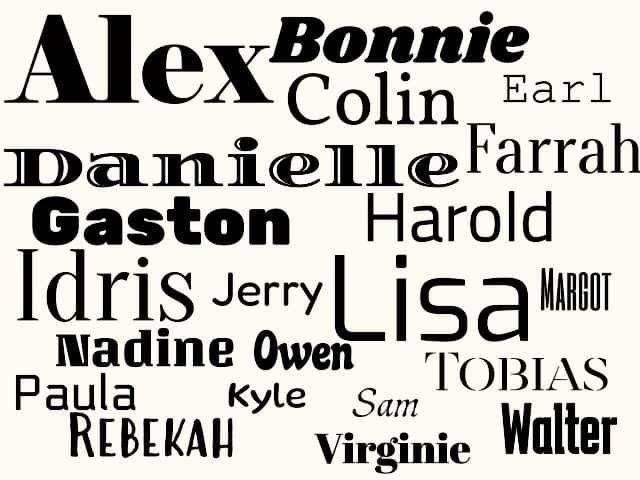
What is the hurricane naming system? It’s an essential aspect of storm forecasting. This simplifies and clarifies tracking multiple storms. This system is instrumental in tracking and preparing for hurricanes. However, it faces challenges adapting to evolving global needs.
The hurricane naming system is a 6-year rotating list of names. Each year has 21 different names to assign to tropical storms. The World Meteorological Organization (WMO) manages these lists. WMO sometimes decides to retire and replace names. This happens if a storm’s death toll was high or caused great economic damage. Key aspects include:
- WMO’s role
- Rotating lists
- Retiring names
In this article, we’ll explore how and why hurricanes become named. We’ll discuss the history, process, and challenges involved.
Brief History Of Hurricane Naming
Have you ever wondered about hurricane names? How do storms get names like Katrina, Sandy, or Harvey? Assigned names enable effective communication about these storms.
Hurricane naming began in the early 20th century. Meteorologists turned to the phonetic alphabet for storm names.

In 1953 that changed. The Weather Bureau established a formal naming system. This paved the way for the organized approach we have today.
Importance Of Naming Hurricanes
Hurricane naming improves communication and public awareness. Assigning a name to a storm aids meteorologists.
Tracking and discussing storms becomes easier for emergency responders. It also enables the public to keep track of storms and make wise choices. This reduces confusion during particularly active seasons. Especially with the possibility of simultaneous storms occurring.
How Hurricanes Are Named
The process of naming hurricanes is not arbitrary. It follows a well-structured system overseen by the WMO.
We’ll explore:
- The WMO’s role in hurricane naming.
- The six-year rotating list of names.
- How names are assigned to tropical storms and hurricanes.
- The naming criteria.
Comprehending the evolution of hurricane naming is key. It helps us understand the process and importance behind storm names.
The Evolution Of Hurricane Naming: Before The WMO Era
Meteorological centers used to name regional hurricanes. Different regions had their own agencies. For example, the Weather Bureau oversaw the Atlantic basin names. This Bureau is now known as the National Weather Service.
Today, the WMO manages the task of hurricane naming throughout the world.
Hurricanes initially lacked formal names. Year and landfall location were common naming methods. Latitude and longitude coordinates were another option used by experts.
Early 20th century, the US military applied the phonetic alphabet. This used names like Able, Baker, and Charlie for easier tracking.
The practice of using human names for hurricanes in the US began in the 1940s. Meteorologists and forecasters started naming them informally. They named the hurricanes after their wives, girlfriends, or notable figures.
This practice was, in part, inspired by George R. Stewart’s 1941 novel “Storm”. In the novel, a meteorologist names storms after women.
In 1953, the Weather Bureau officially used female names. However, in 1979, they expanded the system. It now includes alphabetized female and male names in the list. They alternated the genders for each storm.
In 1979, the WMO soon took over the complete duty of naming hurricanes globally. They established standardized practices and rotating lists of names. Each was for different ocean basins.
The World Meteorological Organization (WMO) And Its Role In Hurricane Naming
The WMO plays a crucial role in naming hurricanes. The United Nations agency maintains and updates the lists of names. They assign an appropriate moniker to each storm.
The WMO works closely with national meteorological services. They coordinate information about hurricane forecasting and tracking.
The Six-Year Rotating Lists Of Names
The WMO uses a set of six rotating lists of names for hurricanes. Every six years, they reuse each list. This means that the names used in 2023 will come up again in 2029.
Each list contains 21 names. They alternate between male and female. They’re ordered alphabetically.
The following are the names in rotation:
Six-Year Rotating List of Atlantic Basin Hurricane Names | |||||
2023 | 2024 | 2025 | 2026 | 2027 | 2028 |
Arlene | Alberto | Andrea | Arthur | Ana | Alex |
Bret | Beryl | Barry | Bertha | Bill | Bonnie |
Cindy | Chris | Chantal | Cristobal | Claudette | Colin |
Don | Debby | Dexter | Dolly | Danny | Danielle |
Emily | Ernesto | Erin | Edouard | Elsa | Earl |
Franklin | Francine | Fernand | Fay | Fred | Farrah |
Gert | Gordon | Garbreielle | Gonzalo | Grace | Gaston |
Harold | Helene | Humberto | Hanna | Henri | Hermine |
Idalia | Isaac | Imelda | Isaias | Imani | Idris |
Jose | Joyce | Jerry | Josphine | Julian | Julia |
Katia | Kirk | Karen | Kyle | Kate | Karl |
Lee | Leslie | Lorenzo | Leah | Larry | Lisa |
Margot | Milton | Melissa | Marco | Mindy | Martin |
Nigel | Nadine | Nestor | Nana | Nicholas | Nicole |
Ophelia | Oscar | Olga | Omar | Odette | Owen |
Philippe | Patty | Pablo | Paulette | Peter | Paula |
Rina | Rafael | Rebekah | Rene | Rose | Richard |
Sean | Sara | Sebastien | Sally | Sam | Shary |
Tammy | Tony | Tanya | Teddy | Teresa | Tobias |
Vince | Valerie | Van | Vicky | Victor | Virginie |
Whitney | William | Wendy | Wilfred | Wanda | Walter |
Names For Tropical Storms And Hurricanes
The WMO assigns names to tropical storms when winds hit 39 miles per hour (MPH). The selected name will be picked from that year’s naming list.
Storms attain hurricane status at 74 MPH wind speeds or higher. The assigned name stays the same.
Criteria For Selecting Names
When choosing names for hurricanes, the WMO follows specific criteria. This ensures the names are easy to recognize and pronounce.
The names must be short, distinctive, and non-offensive. Additionally, names cannot be commercial or political in nature.
When All Hurricane Names Are Exhausted
In the event there are more than 21 named storms, the WMO has a backup plan.
They previously assigned the Greek alphabet to additional storms. However, they only used this system two times. Once in 2005, and then in 2021.
This system was confusing to people. In some cases, names began to sound similar, like Zeta, Eta, and Theta.
Starting in 2022, the WMO decided to replace the method. They now use a supplemental list of names.
This maintains a more consistent naming approach. The system makes communication and monitoring of each storm easier. Particularly during active seasons.
The World Meteorological Organization announced the supplemental names. Here is a table of those names for tropical cyclones in the Atlantic basin:
Supplemental Names | ||
Adria | Braylen | Caridad |
Deshawn | Emery | Foster |
Gemma | Heath | Isla |
Jacobus | Kenzie | Lucio |
Makayla | Nolan | Orlanda |
Pax | Ronin | Sophie |
Tayshaun | Viviana | Will |
Retiring Hurricane Names
Memorable names are assigned to hurricanes to aid in tracking. The WMO retires names of notably damaging hurricanes.
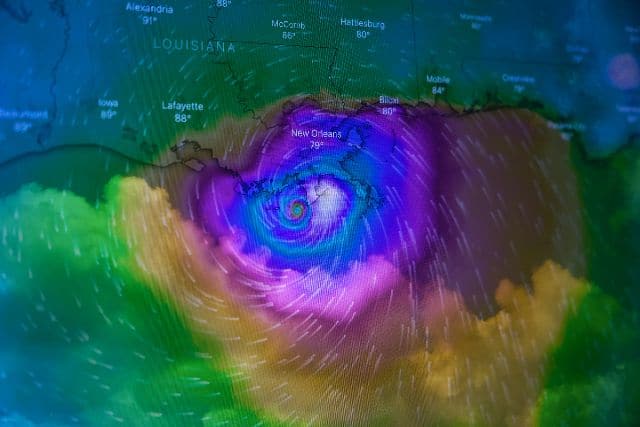
We’ll delve into the reason why names get retired and how they’re replaced. We’ll also look at the names that have been removed from the hurricane naming system, such as Connie and Diane.
Connie and Diane were particularly unique from other retired hurricanes. They were influenced by the Fujiwhara effect. This phenomenon involves two or more hurricanes that move close to each other.
Rotating around each other, they’re drawn to the same center at some point. Even though they are separate hurricanes, they begin to look like one, large hurricane.
Reasons For Retiring A Hurricane Name
The WMO can retire a hurricane’s name if it wreaks substantial havoc. This is a gesture of respect toward the victims and their families. It’s to avoid confusion or insensitivity in future seasons.
Process Of Selecting A Replacement Name
After retiring a name, the WMO convenes a committee. They select a new name to replace on the rotating list.
The new name must adhere to the same criteria as the original one. This list will include this name when it comes up for use again in six years.
Notable Retired Hurricane Names
Well-known retired hurricanes are Katrina, Sandy, and Ian. Combined, they cost trillions of dollars.
Katrina, a 2005 hurricane, left New Orleans in ruins. The most costly natural disaster on record is hurricane Katrina. The storm had 14 fatalities in Florida.
Irma, a Cape Verde hurricane, wreaked havoc in the United States in 2017. Hurricane Irma caused 80 deaths in Florida.
Hurricane Ian, in 2022, hit Southwest Florida hard. Ian claimed 149 lives in the state. No hurricane has claimed more lives in Florida than Ian since 1935.
Without hurricane names, it would be difficult to follow the cone of uncertainty. You wouldn’t know which storm is being tracked in your area. Especially in the event of multiple storms at the same time.
the cone of uncertainty would be difficult to know what storm is being tracked. Especially when there are multiple storms in a season.
Check out the full list at the end of this article.
Letters Omitted From The Hurricane Naming System
This naming system doesn’t use all the letters of the alphabet. The list excludes letters Q, U, X, Y, and Z.
This is mostly because there are fewer names that start with these letters. As well, certain languages don’t have those letters, or they’re hard to pronounce.
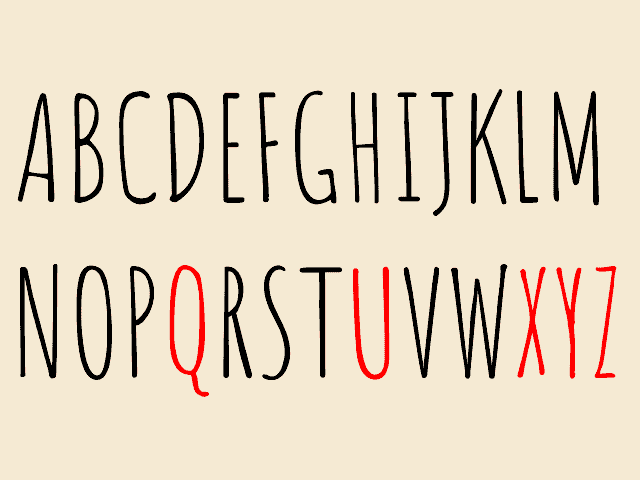
Names are also picked for how easy they are to read. This includes people who speak English, Spanish, Portuguese, or French.
This makes it hard to find suitable options that meet WMO’s naming criteria. By using more common letters, the WMO ensures a diverse and vast pool of names.
Controversies And Criticisms Of The Hurricane Naming System
The hurricane naming system is widespread and practical. However, it’s not without its share of controversies and criticisms.
Potential changes could involve adding more names from underrepresented cultures
Over the years, various aspects of the system have sparked debates. The fairness and inclusiveness of the names have come under scrutiny.
Accusations Of Gender Bias In Hurricane Naming
The naming system once faced scrutiny over gender bias. That time saw the usage of only female names.
This changed in 1979 when hurricanes alternated between male and female names. This was a pivotal step in managing the issue.
The Need For Increased Diversity In Hurricane Names
Some critics argue that the current naming system lacks diversity. Many believe the system fails to reflect diverse cultures sufficiently. Some people want more cultural and linguistic representation.
In response, the WMO has made efforts. They now include names from a wider range of cultural backgrounds. However, there is still room for improvement.
Alternative Naming Systems And Proposals
There’ve been proposals for alternative naming systems over the years.
Some suggestions include:
- Using more culturally diverse names.
- Employing a numbering system.
- Crowdsourcing names from the public.
Each proposal has its merits, and the WMO works to refine the naming system. They aim to address these concerns.
The Future Of The Hurricane Naming System
The system has evolved significantly over the years. It’s adapted to the advancements in meteorological science. It’s also adapted to our increasing understanding of hurricanes.
But what does the future hold for this vital system? Evidently, the system must keep adapting to new challenges and prospects.
Potential Changes To The Current System
As the world evolves, so does the naming system. The WMO supports changes that bolster the system’s effectiveness. They also pursue a more inclusive approach.
This may involve adding more names from underrepresented cultures. Or, they may adopt new methods for selecting and assigning names.
Technological Advancements And Their Impact On Hurricane Tracking And Forecasting
Advancements in technology have greatly improved hurricane tracking. Forecasting has also improved because of this.
Many factors have helped with more accurate and timely predictions, like:
- Satellite imagery.
- Computer modeling.
- Data sharing among meteorological services.
This, in turn, helps communities better prepare for hurricanes. As well, this helps minimize potential impact.
The Role Of Public Awareness And Education In Hurricane Preparedness
The naming system aids in raising public readiness and awareness. Designated names make hurricanes memorable to people.
This enhances the odds of precautionary measures and evacuation. Public education efforts boost this awareness. Campaigns and outreach programs contribute to saving lives.
Is there evidence that female-named hurricanes are more lethal than their male-named counterparts?
Hurricane Naming System Takeaways
The hurricane naming system aids in weather forecasting. It helps us track and prepare for powerful storms. Here’s a quick recap of what we’ve learned:
- The World Meteorological Organization (WMO) has a key function. It maintains and updates hurricane names.
- A set of six rotating lists, containing 21 names each, are used to name hurricanes.
- Names go to tropical storms. These storms can become hurricanes if they reach wind speeds of 74+ mph.
- The WMO retires names from catastrophic hurricanes. This is out of respect for victims and those affected.
- The naming system has faced controversies and criticisms. Efforts are being made to make it more inclusive and diverse.
As you now know, there’s much more to the process than just picking names out of a hat!
Feature image by Sydney Crandall/ Central Florida Weather
The Ongoing Significance Of The Hurricane Naming System
The system is crucial for tracking storms. It aids in forecasting and preparation for these powerful storms. Hurricanes receive easily recognizable names. This strategy promotes communication and increases public awareness.
The Need For Continued Improvement And Adaptation
The naming process for hurricanes should keep advancing. By embracing new ideas and being diverse, we enhance the system. This will meet the changing needs of our global society. Leveraging advancements in technology further improves it.
The result benefits everyone in the path of these powerful storms.
Retired Atlantic-Basin Hurricane Names
As of this writing, WMO has retired 96 Atlantic basin storm names since 1953. This number is subject to change as new storms occur.
Retired | Name | Deaths | Damage(USD) |
1954 | Carol | 60 | $462 million |
1954 | Edna | 21 | $42 million |
1954 | Hazel | 581 | $382 million |
1955 | Connie | 25 | $40 million |
1955 | Diane | 184 | $831 million |
1955 | Ione | 7 | $88 million |
1955 | Janet | 1 | 023 |
1957 | Audrey | 416 | $150 million |
1960 | Donna | 164 | $400 million |
1961 | Carla | 46 | $408 million |
1961 | Hattie | 319 | $60.3 million |
1963 | Flora | 7 | 193 |
1964 | Cleo | 217 | $198 million |
1964 | Dora | 5 | $250 million |
1964 | Hilda | 38 | $125 million |
1965 | Betsy | 75 | $1.42 billion |
1966 | Inez | 710 | $616 million |
1967 | Beulah | 59 | $208 million |
1969 | Camille | 256 | $1.42 billion |
1970 | Celia | 20 | $930 million |
1973 | Agnes | 124 | $2.1 billion |
1974 | Carmen | 8 | $162 million |
1974 | Fifi | 8 | 200 |
1975 | Eloise | 80 | $550 million |
1977 | Anita | 10 | $956.9 million |
1978 | Greta | 5 | $26 million |
1979 | David | 2 | 068 |
1979 | Frederic | 12 | $1.77 billion |
1980 | Allen | 269 | $1.24 billion |
1983 | Alicia | 21 | $3 billion |
1985 | Elena | 9 | $1.3 billion |
1985 | Gloria | 9 | $900 billion |
1988 | Gilbert | 318 | $2.98 billion |
1989 | Joan | 216 | $2 billion |
1989 | Hugo | 49 | $9.7 billion |
1990 | Diana | 96 | $90 million |
1990 | Klaus | 11 | $1 million |
1991 | Bob | 17 | $1.5 billion |
1992 | Andrew | 65 | $27.3 million |
1995 | Luis | 19 | $2.5 billion |
1995 | Marilyn | 8 | $2.1 billion |
1995 | Opal | 59 | $4.7 billion |
1995 | Roxanne | 14 | $1.5 billion |
1996 | Cesar | 113 | $203 million |
1996 | Fran | 26 | $5 billion |
1996 | Hortense | 39 | $158 million |
1998 | Georges | 604 | $9.37 billion |
1998 | Mitch | >11 | 000 |
1999 | Floyd | 57 | $6.9 billion |
1999 | Lenny | 17 | $686 million |
2000 | Keith | 56 | $319 million |
2001 | Allsion | 50 | $50 million |
2001 | Iris | 31 | $250 million |
2001 | Michelle | 17 | $2 billion |
2002 | Isidore | 17 | $1.3 billion |
2002 | Lili | 15 | $1.16 billion |
2003 | Fabian | 8 | $300 million |
2003 | Isabel | 50 | $5.5 billion |
2003 | Juan | 5 | $200 million |
2004 | Charley | 40 | $16.9 billion |
2004 | Frances | 50 | $9.8 billion |
2004 | Ivan | 124 | $26.1 billion |
2004 | Jeanne | 3 | 035 |
2005 | Dennis | 89 | $3.98 billion |
2005 | Katrina | 1 | 392 |
2005 | Rita | 62 | $18.5 billion |
2005 | Stan | 1 | 668 |
2005 | Wilma | 87 | $27.4 billion |
2007 | Dean | 45 | $1.78 billion |
2007 | Felix | 130 | $720 million |
2007 | Noel | 222 | $580 million |
2008 | Gustav | 153 | $8.31 billion |
2008 | Ike | 195 | $38 billion |
2008 | Paloma | 1 | $454 million |
2010 | Igor | 4 | $200 million |
2010 | Tomas | 44 | $348 million |
2011 | Irene | 58 | $14.2 billion |
2012 | Sandy | 234 | $68.7 billion |
2013 | Ingrid | 32 | $1.5 billion |
2015 | Erika | 35 | $511 million |
2015 | Joaquin | 34 | $200 million |
2016 | Matthew | 603 | $15.1 billion |
2016 | Otto | 23 | $192 million |
2017 | Harvey | 107 | $125 billion |
2017 | Irma | 134 | $77.2 billion |
2017 | Maria | 3 | 059 |
2017 | Nate | 48 | $787 million |
2018 | Florence | 57 | $24 billion |
2018 | Michael | 74 | $25.1 billion |
2019 | Dorian | 84 | $5.1 billion |
2020 | Laura | 81 | $23.3 billion |
2020 | Eta | 175 | $8.3 billion |
2020 | Iota | 84 | $1.4 billion |
2021 | Ida | 107 | $75.2 billion |
2022 | Fiona | 29 | $3.09 billion |
2022 | Ian | 161 | $113 billion |
The WMO will inevitably retire extra names in the future. This is largely due to global warming. This phenomenon can lead to even more retired hurricane names. This is because climate change can influence hurricane behavior and strength.
Global warming causes warmer waters, which in turn causes stronger hurricanes. These hurricanes produce intense winds and higher rainfall rates as a result. Category 3 hurricanes and up have doubled since the 1980s. Since then, they’ve also intensified more rapidly.
Powerful hurricanes are more common now than they were a century ago. As well, they move slower than they used to. This means more catastrophic damage with just a single hurricane.
Ongoing climate change could cause longer hurricane seasons that are more active. The impact of climate change is evident. The results are longer and more intense hurricane seasons.