


What is the best outdoor furniture for Florida weather? There is a common misconception that comfortable, inexpensive outdoor furniture alone is good enough. While comfort and affordability are important, many people overlook durability.
Among the best outdoor furniture for Florida weather is teak or high-density polyethylene (HDPE). Both will withstand Florida’s harsh salty sea air, heat, humidity, and wind. Sustainably managed teak wood is eco-friendly. HDPE plastic produces less ecological impact than other plastics. Both materials last many years.
Depending on the season, Central Florida may experience hot, wet, or dry weather. On average, Central Florida has more than 230 sunny days. Even in good sunny weather, outdoor furniture can become damaged.
Over time, outdoor furniture may rust, rot, warp, chip, crack, or become fragile due to exposure to extreme temperatures. Outdoor furniture for Florida should be able to withstand these elements while still being durable and long-lasting.
You’ll want to look for something sturdy, durable, and aesthetically pleasing. It’s also important to select weather-resistant outdoor furniture to stand up to Central Florida’s climate. Sunlight and high temperatures can cause fading and breakdown to some materials. It can also cause metal material to get hot enough that it can be uncomfortable or cause burns.
If you live near salt air, it can cause your metal outdoor furniture to corrode. Wind can cause light plastic outdoor furniture to move around, which can damage it. You’ll want to have something heavy enough to resist the wind. Rain and humid conditions can create mold and mildew.
Materials should be judged based on their durability against the elements and how they behave in certain weather conditions. When choosing outdoor furniture for Florida, you should keep in mind that many materials also need special treatments to maintain their quality. Here is a list of materials that most outdoor furniture is commonly made of:
- Softwood
- Hardwood
- Plastic
- Aluminum
- Resin wicker
- Natural wicker
- PVC
- Steel
- Wrought iron
Best Outdoor Furniture for Salt Air

Salt air is very damaging to many types of outdoor furniture in Florida
One of the best things about living in Central Florida is that it touches both the east coast and the west coast. For many Central Floridians, sitting outside, watching the ocean waves, and enjoying the fresh ocean breeze is a way of life. Coastal living brings an additional element to outdoor furniture—salty sea breezes. Salt air can cause damage to everything that it touches. Coastal conditions in Central Florida cause metals to react poorly with salt air.
You don’t just have to live on the beach for salt to rust and corrode your outdoor furniture. Studies have shown that salty sea air can affect metals as far as 50 miles inland. For example, the distance from Cedar Key on the west coast to Daytona Beach on the east coast is a little over 140 miles in distance. That means only a 43-mile radius in the center of that distance doesn’t receive salt air. Therefore, coastal outdoor furniture for Flordia should be made from the right materials.
Powder-coated metal furniture, such as wrought iron, is not going to be the best outdoor furniture for Florida coastal living. Except for buying expensive, high-quality powder-coated metals, and if you intend to maintain it frequently, you’ll want to avoid this. The metal will start to chip and rust from the harsh salt air.
It’s better to avoid softwood like cedar, pine, and redwood outdoor furniture for Florida as well. Instead, you could opt for natural teak wood.
Another good option for outdoor furniture for Florida is synthetic resin wicker. A third option that resists salt air is composite recycled lumber, which is also known as poly lumber, resin, recycled plastic, HDPE, among many other names. Zero porosity makes it impervious to salt damage, making it another excellent option for corrosion-resistant material. Quality stainless steel is also a good option.
Protect Outdoor Furniture from Mold and Mildew

DIY supplies for cleaning mold and mildew off of outdoor furniture
Fungi, such as mold and mildew, thrive in moist environments and spread easily. Mold and mildew are often used interchangeably, but they aren’t the same thing. Rather, mildew is a form of mold. It commonly grows on the surface of damp materials and can be easier to remove.
On the other hand, mold penetrates into materials and is harder to remove. The best way to minimize mold and mildew from occurring is to keep your outdoor furniture for Florida dry on a regular basis.
Exposing your outdoor furniture to direct sunlight and buying mildew and mold-resistant cushions can help. Invest in HDPE recycled plastic furniture, which is impervious to mold and mildew as long as it’s kept clean. Aside from these suggestions, there are some other steps you can take that might help you stay ahead of mold and mildew damage.
- White vinegar can help prevent many different types of mold. Fill an empty spray bottle with undiluted vinegar and spray it over your furniture and cushions. Use a towel or let it air dry depending on the furniture material.
- Tea tree oil is also thought to be a preventative as well as making furniture insect and pest proof. Fill your spray bottle with two cups of water. Add two teaspoons of tea tree oil. Shake for a few seconds. Spray over furniture and cushions. Afterwards, dampen a cloth and wipe the furniture down.
- Mold and mildew can be prevented with borax mixed with water. Dissolve one cup of borax in one gallon of water. Apply the mixture to the cushions furniture using a cloth or sponge. Let them dry naturally or wipe them with a towel.
- Commercially sold mold control sprays that have chemical ingredients destroy and prevent the growth of mold and mildew. Products such as Concrobium Mold Control, EnviroShield, Mold Armor, Moldex, and Microblo are just a few.
How to Clean Mold and Mildew off of Outdoor Furniture

A little elbow grease and a soapy sponge is sometimes all that’s needed
Even after you’ve selected your outdoor furniture for Florida, mold and mildew can easily grow on it. Wet and damp fabrics, cushions, and patio umbrellas from rain or humidity create the ideal environment for mold and mildew growth. This is especially true in areas without much sunlight or air circulation.
Mold can also grow on organic matter like leaves and twigs. If this fungus is left untreated, it can damage your outdoor furniture. This is both unsightly and uninviting. Mold and mildew can also create unhealthy conditions. Joint inflammation, migraines, allergies, respiratory, and lung problems, among other health issues, can result from toxic mold exposure.
It’s easier to stay ahead of the game and prevent mold and mildew from even getting a foothold. A periodical spray with undiluted white vinegar will help keep it at bay. If, however, it seems to have gotten the jump on you, then here are some simple DIY tips to help remove mold and mildew from your outdoor furniture.
For Wooden Outdoor Furniture
Mold and mildew are some of the most common things that grow on outdoor wooden furniture in Central Florida’s hot and humid environment. Cleaning wooden outdoor furniture with bleach may be tempting, however, bleach doesn’t work as well on wood because it has a porous surface. Bleach can also weaken and discolor wooden furniture. Instead of resorting to using bleach, try these popular, chemical-free DIY mold and mildew removers. You’ll need the following materials:
- Personal protection clothing (PPC) such as gloves, goggles, mask, and old clothing
- Plastic bucket
- ¼ cup ammonia
- ¼ cup baking soda
- ½ cup distilled white vinegar
- 4 cups warm water
- Old wooden spoon
- Empty spray bottle
- Sponge or cloth
- Soft nylon bristle brush
- 2 tablespoons lemon juice
- 1 teaspoon salt
Wearing your PPC, combine ammonia, baking soda, and vinegar with the water. Use an old wooden spoon to mix well. Pour into the spray bottle. Spray areas that have mold or mildew, and using your cloth or sponge, rub the solution into the mold and mildew. Brush the area using a soft nylon bristle brush in circular motions to remove any remaining mold. Rinse well with a clean wet cloth. If stubborn mold still remains, make a paste of lemon juice and salt. Rub the paste gently into any remaining mold and mildew. Rinse thoroughly with a wet cloth.
For High-Density Polyethylene Plastic Outdoor Furniture
HDPE plastic outdoor furniture for Florida is easily maintained. However, because the HDPE material can have small cracks on its surface and sometimes grooves in a wood grain pattern, organic debris like dirt, leaves, or even spilled food can cause mold and mildew to begin to grow in these areas. Here’s a list of items that are needed in order to remove mold and mildew from HDPE furniture:
- Garden hose
- Bucket of hot water
- 1 tablespoon mild dish soap
- Rubber gloves
- Sponge
- Soft nylon bristle brush or old toothbrush
- Old towel
Spray your HDPE outdoor furniture down with a garden hose. Concentrate on mold and mildew areas. Just the pressure from the water hose alone may be enough to remove the mold and mildew. If stubborn mold and mildew remain, fill your bucket with hot water and add dish soap. Put rubber gloves on and wash mildew areas with hot soapy water. Scrub any remaining mold and mildew stains with a soft nylon bristle brush or old toothbrush. Rinse again with a garden hose and dry furniture with a towel.
For PVC Pipe Outdoor Furniture
Like HDPE furniture, PVC furniture can promote mold growth when given the right circumstances. To get started cleaning your PVC outdoor furniture for Florida, you’ll need these items:
- Personal protection clothing (PPC) such as gloves, goggles, mask, and old clothing
- Garden hose
- Mild dish soap
- Bleach
- Plastic bucket
- Scouring sponge or small brush
- Foam eraser
- Old towel
Thoroughly wet your PVC pipe outdoor furniture with the garden hose. Combine 1 part dish soap with 8 parts bleach in a bucket while wearing your PPC. Using a sponge or brush, apply and scrub the solution into the mold. Rinse with a garden hose. Repeat if necessary. For more persistent mold, you can try a foam eraser. Simply wet the eraser, scrub the mold, and rinse. Dry off with an old towel.
For Plastic Resin Outdoor Furniture
Stackable plastic resin chairs are a relatively inexpensive option for outdoor furniture. Like any outdoor furniture that gets wet, it can grow mildew or mold spores. This can stain your plastic outdoor furniture for Florida. Routine cleaning and keeping the plastic dry is the best defense against mold and mildew growth. If you find mold and mildew stains on your outdoor plastic resin furniture, there are a few DIY methods for eliminating them. For mold and mildew stain remover, collect the following items:
- Personal protection clothing (PPC) such as gloves, goggles, mask, and old clothing
- Empty spray bottle
- Undiluted distilled white vinegar
- Garden hose
- Baking soda
- Water
- Scouring powder
- Foam erasers
- Bucket of hot water
- Old towel
- ¾ cup household liquid bleach
- Two tablespoons of mild dish soap (be sure it doesn’t contain ammonia)
- Soft nylon bristle brush
Fill an empty spray bottle with vinegar and spray it on the plastic resin outdoor furniture. After an hour, rinse off the vinegar with the garden hose. Spray a second time with the vinegar, this time allowing it to air-dry. Also, a paste of baking soda and water, or scouring powder or a foam eraser, can be just abrasive enough to easily scour off mold and mildew. Rinse well with water and dry when finished. In a bucket of water, combine bleach and dish soap while wearing your PPC. Gently scrub mold and mildew areas with a soft nylon bristle brush dipped in the hot water solution. Rinse well with a garden hose and wipe dry with an old towel.
For Metal Outdoor Furniture
Mold can still grow on your metal outdoor furniture, such as wrought iron, aluminum, and steel, despite it not being a porous surface. You will need these items to clean mold off your metal outdoor furniture for Florida:
- Bucket of hot water
- 2 tablespoons mild dish soap
- Garden hose
- Old towel
- Paper towels
- 2 tablespoons undiluted white vinegar
- 1 tablespoon salt
- Bowl
- Soft nylon bristle brush, sponge, or cloth
Combine dish soap with hot water. Put the solution on the mold with a brush, sponge, or cloth. Afterward, rinse with a garden hose and wipe dry.
If this doesn’t work, dampen some paper towels with vinegar. Allow the vinegar-soaked paper towels to lay on top of the mold for a minimum of 10 minutes to an hour. Afterward, remove the wet paper towels and wipe dry. Next, add 2 tablespoons of the vinegar with 1 tablespoon of salt and stir it in a bowl to create a paste. Using a soft nylon bristle brush, scrub the mold, then wipe off the paste with a paper towel. Wipe the surface again using vinegar and a paper towel. Then wipe it dry.
For Natural Wicker Outdoor Furniture
To clean natural wicker outdoor furniture for Florida made from natural materials such as rattan, bamboo, or willow, you will need the following supplies:
- Personal protection clothing (PPC) such as gloves, goggles, mask, and old clothing
- Vacuum with brush attachment
- Empty spray bottle
- 1-2 teaspoons of ammonia
- 4 cups water
- Old toothbrush
- Garden hose
- Old towel or hairdryer
- Undiluted, distilled white vinegar
- Sponge
Using the brush attachment, vacuum the wicker well to remove any dust and loose debris, and any resident spiders underneath. Mix ammonia and water in the empty spray bottle while wearing your PPC. Scrub with an old toothbrush after lightly spraying on the solution. Rinse the wicker carefully with the garden hose so as not to soak it. Dry thoroughly with an old towel or hairdryer, making sure that water doesn’t pool on the wicker. Doing so can damage, warp, or leave mottled spots on the furniture. This solution is ideal for cleaning natural wicker made from rattan, bamboo, or willow. However, this does not include paper wicker, which you should never wet. Water would damage paper wicker.
For stubborn mold and mildew areas, apply vinegar directly to the mold with a sponge. Vinegar should be allowed to sit for one hour, then hosed off. Dry thoroughly with an old towel or hairdryer.
Aluminum vs Steel Patio Furniture

Aluminum or steel outdoor furniture should have a second layer of powder coat
Aluminum and steel outdoor furniture is preferred by some people over teak and HDPE plastic outdoor furniture. Since it’s a cheaper material and it comes in a variety of styles, it makes it another popular option for outdoor furniture for Florida. Top-quality cast aluminum is a heavy solid piece of aluminum that has been shaped using a 3D mold. The fillers that are sometimes added to cheaper cast aluminum can make it less dense and prone to cracking.
Extruded aluminum is hollow in the center, and therefore lighter in weight. However, because it is hollow, it can also bend and become dented if blown around by the wind. A special protective powder coating is applied to extruded aluminum in order to prevent it from chipping, peeling, and rusting. However, some manufacturers, instead, apply regular paint that may eventually peel and rust.
Outdoor furniture for Florida made of steel is among the strongest and heaviest material. It’s moderately priced and resists dents. Two popular types of steel are galvanized and stainless steel.
Galvanized steel is coated with zinc. This is different from a powder coat. The zinc coating creates a multidimensional metallic look on the steel and is highly resistant to rust when it’s not exposed to saltwater.
Chromium has been added to stainless steel during the molding process, and it is resistant to saltwater. However, chlorine will corrode both galvanized and stainless steel.
If you are going to use aluminum or steel outdoor furniture for a Central Florida poolside, you should ensure that it has an additional protective layer of powder coat before purchasing.
In the hot Florida sun, almost all metal outdoor furniture can become very hot to the touch, retaining heat to some degree if left unshaded. Because of this, the best outdoor furniture for Florida might not be metal furniture, unless you have cushions to offset that heat.
Central Florida Patio Furniture that Lasts the Longest

Teak outdoor furniture for Florida can last nearly a century if properly cared for
In part, the longevity of your patio furniture depends on the quality of your furniture and on how well you maintain it. The remainder depends on if you choose the appropriate outdoor furniture for the climate and area that you live in.
Those who live in more humid and hot climates, like Central Florida, should invest in furniture that is better suited for their specific area. As well, if you reside in or near coastal areas in Central Florida, you’ll also need something that can withstand the salt air in addition to the heat and humidity.
When selecting outdoor furniture for Florida, you should consider quality materials, workmanship, durability, strength, and maintenance requirements.
Cast aluminum:
- Pros: Can last close to 20 years. Typically, it has no noticeable wear. Due to its weight, it will remain stable in the wind. It can withstand any humidity without rusting or corroding if powder coated. Many styles to choose from. It’s also easy to maintain.
- Cons: Due to its weight, it can be difficult to rearrange. Also, cushions are usually not sold with cast aluminum.
Furniture-grade PVC pipe outdoor furniture:
- Pros: Can be a good choice for pool areas. It is resistant to chipping and peeling. It can withstand extreme heat and will not rust, corrode, or fade. In general, it will have a warranty of at least 10 years, but may last longer than that.
- Cons: Not elegant. Not wind resistant.
HDPE synthetic resin wicker:
- Pros: Can withstand heat and humidity and it’s eco-friendly. It’s fade-resistant and is resistant to the sun’s UV rays for decades. Can last 10–15 years.
- Cons: Synthetic fibers don’t look or feel like wood. Inexpensive furniture can be made from cheap plastics that can crack. Aluminum frames make them more susceptible to high winds.
Premium teak wood:
- Pros: It is strong and durable. With proper care, it can last between 75 and 100 years, making the list for one of the best outdoor furniture for Florida. It is eco-sustainable.
- Cons: Expensive, high maintenance care, and needs treatments.
HDPE poly lumber outdoor furniture:
- Pros: A synthetic eco-friendly wood made from recycled plastic. With its impervious material, HDPE is resistant to heat, humidity, rust, corrosion, and saltwater. It’s also durable, typically carrying a warranty of 20 years or longer. This also makes HDPE poly lumber one of the best materials for outdoor furniture for Florida.
- Cons: Costly, and may fade over time. Black and other dark shades of colors may retain heat.
Best Material for Outdoor Furniture Cushions

Many cushions fabrics are chemically treated for outdoor use
Whether it’s for new outdoor furniture or sprucing up your current furniture, there are several options to consider when selecting the best material for outdoor furniture cushions. When it comes right down to it, the best material for outdoor furniture cushions is going to be something that covers all your bases.
Outdoor fabrics are different from indoor fabrics. They are woven with stronger fibers to increase their durability. This is done so the materials are stronger for undergoing the chemical processes that give them the specific qualities that work best for outdoor furniture for Florida—processes to make them water-resistant, waterproof, wrinkle-free, colorfast, more resistant to stains, cool to the touch, or resist mold and mildew growth.
Each of the following outdoor cushion fabrics has its pros and cons.
- Acrylic fabric:
- Pros: Soft, fade-resistant, stain-resistant, mildew-resistant, cleans easily, and dries quickly when wet.
- Cons: The fabric contains PFCs (Perfluoroalkyl substances and Polyfluoroalkyl substances), which are Teflon chemicals and are considered global pollutants. PFCs are stain and water repellent chemicals that make fabrics stain-resistant and water-resistant. Once this chemical treatment wears off, it can be difficult to remove oily stains. The fabric can pill and become fuzzy over time. Due to its high flammability, you must keep the fabric away from any fire sources.
- Polyester fabric:
- Pros: Less expensive when compared to other outdoor fabrics, durable, soft, and mildew-resistant.
- Cons: Stains easily, fades quickly, and is highly sensitive to heat. The material can create static which collects lint and pet hair. It also delivers annoying static electricity.
- Vinyl (PVC) Fabric:
- Pros: Flexible and durable, as well as stain, mildew, and water-resistant.
- Cons: Hot to the touch and doesn’t absorb sweat. This plastic is considered to be the most toxic fabric to both human and environmental health. May release harmful chemicals into the environment.
Perhaps you prefer not to use outdoor fabrics that have been treated with Perfluoroalkyl substances and Polyfluoroalkyl substances (PFAs). These chemicals are used to make outdoor fabrics waterproof and stain-resistant. There are a few options available.
- Sunbrella and Outdura:
- Pros: Makes outdoor fabrics that are sustainable and eco-friendly. There are no ingredients in them that could harm you or the environment. Water-resistant, fade-resistant, mold-resistant, and mildew-resistant. Certain fabrics are waterproof as well. The fabrics have low chemical VOC (volatile organic compound) emissions. Requires minimal care. Outdura is made in the USA and is a less expensive material compared to Sunbrella.
- Cons: Sunbrella has fewer color options compared to Outdura.
- Olefin fabric:
- Pros: Typically less expensive than acrylic fabrics and more durable. It’s stain-resistant without using PFC chemicals. Instead, it uses a wax-based water repellent. It dries quickly and is fade-resistant. Water-based stains clean off easily. It’s available in many colors, too.
- Cons: Fabric has a rough texture with coarse material that can crease. Oily stains are hard to remove. Sunlight can make the fabric brittle. It may also emit VOCs.
- Duck cloth canvas fabric:
- Pros: If you prefer an outdoor fabric material that has zero chemicals, then duck cloth might be what you’re looking for. This fabric is typically made from tightly woven cotton that resists snagging and tearing. It is thick, heavy-duty, and durable. If treated with paraffin wax it’s also water, mildew, and stain-resistant.
- Cons: It can unravel easily and get stiff from washing.
Caring for Outdoor Furniture in Florida

A garden hose is handy when cleaning metal or aluminum outdoor furniture
Even the best outdoor furniture for Florida requires some maintenance to keep it from looking drab and less than inviting. This essential maintenance will help keep your outdoor furniture looking its best all year in Central Florida and prolong its life for many seasons. Different materials require different levels of care.
Let’s talk about some general care tips for cleaning and maintaining your outdoor furniture for Florida. Remember to remove all cushions and pillows before cleaning your outdoor furniture. Follow care instructions on your cushions on how to clean them.
Cleaning Metal and Aluminum Outdoor Furniture
To start off, you’ll need to have:
- Garden hose
- Soft nylon bristle brush
- ¼ cup mild dish soap
- Bucket of warm water
- Mild abrasive cleaner
- Sponge
When cleaning metal and aluminum outdoor furniture for Florida, first spray debris off with a garden hose. Adjust the nozzle to a weak setting and spray directly on the debris. Using a brush, scrub any remaining debris with a mixture of mild dish detergent and a bucket of warm water. If your aluminum has scuff marks, use a mild abrasive cleaner. Gently scrub the scuff marks away with a sponge. Rinse off outdoor furniture with a garden hose and allow it to air-dry.
Cleaning Wood Outdoor Furniture
You’ll need the following to clean your wooden outdoor furniture for Florida:
- Garden hose
- ¼ cup mild dish soap
- Bucket of warm water
- Commercial wood cleaner
- Soft nylon bristle brush
- Old towel
When cleaning wooden outdoor furniture for Florida such as teak wood, shorea, and eucalyptus, first wet the furniture with a garden hose. You can make a mixture of dish soap and water, and with a soft nylon bristle brush, gently scrub along the grain. You can also use a wood cleaner, following the manufacturer’s directions. Allow the furniture to air-dry after rinsing it off with the garden hose. For eucalyptus wood, dry it off with a towel.
Cleaning HDPE Outdoor Furniture
Before you start cleaning, be sure to get everything you need:
- ¼ cup mild liquid dish soap
- Bucket of warm water
- Old cloth
- Garden hose
- Old towel
With the garden hose, wet the furniture. When cleaning HDPE outdoor furniture for Florida, start with stain and debris removal. This requires mild liquid dish soap in a bucket of water. Wash the furniture with a cloth to clean off any dirt and debris. If stubborn stains remain, allow the soapy water to sit for 15 minutes and wash with the cloth again. Rinse with a garden hose. Allow it to air dry or wipe it dry with a towel.
Cleaning PVC Outdoor Furniture
Before beginning, you need the following:
- Personal protection clothing (PPC) such as gloves, goggles, mask, and old clothing
- Garden hose
- Mild dish soap
- Bleach
- Scouring sponge
When cleaning PVC outdoor furniture for Florida, wet the furniture first with a garden hose. Wearing your PPC, remove dirt and stains by mixing one part dish soap with eight parts bleach. Scrub the furniture with a scouring sponge. The PVC furniture should be rinsed with a garden hose after it has been scrubbed. Let it air-dry.
Cleaning Natural Wicker Outdoor Furniture
Gather the following to get started:
- Duster
- Old toothbrush
- Vacuum with a brush attachment
- Old cloth
- Mild dish soap
When cleaning natural wicker furniture, regularly dust to remove minor debris. For heavy debris, scrub the furniture with an old toothbrush or use the soft brush on your vacuum cleaner—making sure to inspect and remove spiders and egg sacs. For heavier dirt and stains, moisten a soft cloth with water and mild dish soap, and gently rub the wicker surface. Be sure to rinse and wring the cloth well. Rewipe the surface using plain water. Allow the wicker to air dry thoroughly. Never get your natural wicker outdoor furniture soaking wet as it may damage the material. Never wet paper wicker outdoor furniture.
Cleaning Resin Wicker Outdoor Furniture
To start, get around:
- Garden hose
- Bucket of warm water
- Mild dish soap
- Soft nylon bristle brush
To clean resin wicker furniture, first, spray it with a garden hose. Pour warm water into a bucket and mix 2 tablespoons of dish soap with it. Scrub the mixture onto the wet furniture, again making sure to inspect and remove spiders and egg sacs. Afterward, rinse with a garden hose. Allow it to air-dry for 2 hours.
Best way to Protect Outdoor Furniture from Spiders

Your outdoor furniture provides the perfect place for spiders to hide
Something else to consider when selecting outdoor furniture for Florida is spiders. Outdoor furniture can serve as a good hiding place for spiders, because of its elaborate designs, nooks and crannies, and support bars. Cushions and pillows also offer good places for spiders to deposit egg sacs.
Despite their many benefits to the environment, nobody wants spiders to take up residence in their outdoor furniture. They can create an unsightly mess of droppings and overrun furniture with their webs.
Brown recluses, the southern black widows, and the brown widows are some of the most common spiders of Central Florida. While most spiders are harmless, bites from any of these three spiders are venomous and well known for causing unpleasant and sometimes dangerous adverse reactions to people and pets alike.
While any outdoor furniture material can be inviting for spiders, wicker seems to be a favorite. Spiders prefer to deposit their eggs in the little gaps provided by the woven fibers. Many times, too, spiders can be found dwelling behind cushions. You should regularly check outdoor furniture or cushions for spiders to prevent or eliminate them, especially wicker furniture.
Keep the area tidy by picking up items like children’s toys, yard tools, and pool noodles which are good hiding places for spiders. Sweeping debris off the floor near and around your outdoor furniture reduces available areas for spiders to hide. Moving firewood well away from your outdoor furniture also helps deter spiders. Practice regular vacuuming and brushing of the furniture and cushions. Vacuuming webs and egg sacs will disturb spiders and make living there uninviting to them.
Try switching your outside light bulbs with amber yellow LED light bulbs. These are not as attractive to many flying insects. This may reduce the number of spiders you have by decreasing their food source.
Place cedar chips around your outdoor furniture. It is said to repel spiders.
Other DIY Ways to Repel Spiders from Outdoor Furniture

There’s anecdotal evidence that spiders dislike peppermint or citrus oils
In Central Florida, most insects avoid eating widow spiders with the exception of praying mantises, mud dauber wasps, and other widow spiders. Lizards and birds will not make the mistake of eating one more than once. The toxins in the spider cause severe stomach upset. Without many natural enemies to keep them in check, how can you discourage them from setting up house in your furniture?
Using broad-spectrum pesticides kills beneficial insects and hurts the ecosystem. Spider-killing aerosol sprays can cause breathing problems if used improperly. Also, chemical control of spiders is only temporary, needing to be repeated often. It’s not as effective in controlling them as is persistent and regular cleaning of the furniture and cushions.
Do essential oils work? Although there isn’t a lot of research, this Healthline article shows that a 2010 study and thesis concludes that peppermint oil and other essential oils repel spiders. Instead of reaching for the bug spray, try this homemade spider repellent using the following materials:
- Essential oil of your preference—peppermint, lavender, citrus, tea tree, eucalyptus oil
- Mild dish soap
- Water
- Spray bottle
Fill a 16-ounce spray bottle with 3/4 cup of water. Add 10-15 drops of one of the listed essential oils and ¼ teaspoon of dish soap. After shaking the bottle well, the solution should be sprayed on and around your outdoor furniture. Use essential oils that are not toxic to pets.
How to Hurricane Proof Outdoor Furniture

The best place to keep outdoor furniture during a hurricane is in an enclosed area
As a Central Florida resident, you may be wondering what to do with outdoor furniture for Florida in the event of a hurricane. University of Florida statistics show Florida has experienced 38 major hurricanes since 1851. From June to November is hurricane season in Florida. Central Florida cities such as Orlando, Ocala, and the surrounding areas have a low hurricane risk.
Hurricanes rarely hit central Florida directly, and rather, it experiences the remnants of hurricanes, such as heavy rains and wind. It is possible to feel tropical storm winds 300 miles away from a hurricane, even if it does not make landfall in Florida.
High winds can easily turn outdoor furniture into a hazardous situation. When these become flying projectiles, they can potentially damage your home or your neighbor’s home or cause personal injury.
Some people think it’s safe to store outdoor furniture in a swimming pool filled with water. This isn’t advisable. This could damage your pool. Pool chemicals could damage your outdoor furniture too. You might also have trouble removing outdoor furniture from the pool. You may have to replace the furniture or make costly repairs.
Some think outdoor furniture is safer stored in a drained pool. This, too, is not advisable. A swimming pool shouldn’t be drained more than two feet. If the ground becomes too saturated, the shell may pop out of the ground. The water in the pool holds the shell in place.
Moreover, heavy outdoor furniture may cause cracks, chips, and scratches in the lining of your pool from winds tossing it about. This may lead to costly repairs.
In order to keep your outdoor furniture for Florida safe and from becoming projectile objects, you should keep it inside your house or garage. As an alternative, you can tether a hose or rope tightly to it, so it can’t blow around.
Best Outdoor Furniture for Florida Summary
*Change the title of this summary
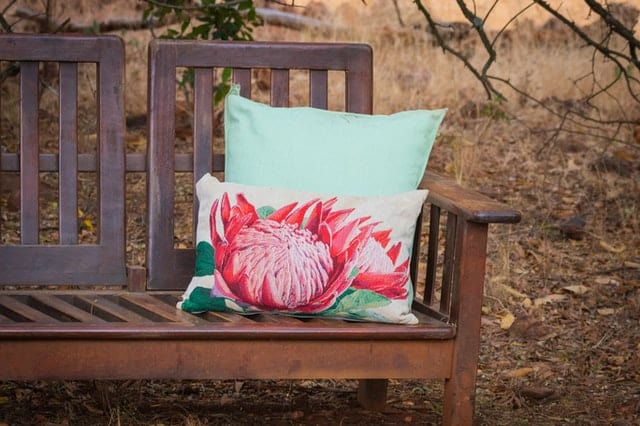
When choosing outdoor furniture, look for something suited for your specific area
Buying outdoor furniture for Florida can be a substantial investment. You don’t want to let that investment go to waste by purchasing inappropriate material for Central Florida’s hot, humid, and sometimes wet and rainy weather.
We’ve covered common materials and their resistance to salt air and mold and mildew. We discussed tips for cleaning and maintaining them. We’ve also given you some DIY mold and mildew removal ideas. We discussed how to protect your outdoor furniture form spiders, as well as the best way to protect your furniture in the event of a hurricane. We’ve also discussed durability, as well as the pros and cons, of common outdoor funirutre types.
So, in your opinion, what it the best outdoor furniture in Florida? Tell us in the comments.