

*We need to change the title of this because it’s over 110 volume—not sure about the character count—I have to make sure i change the meta description to match the keyword of the new title we pick
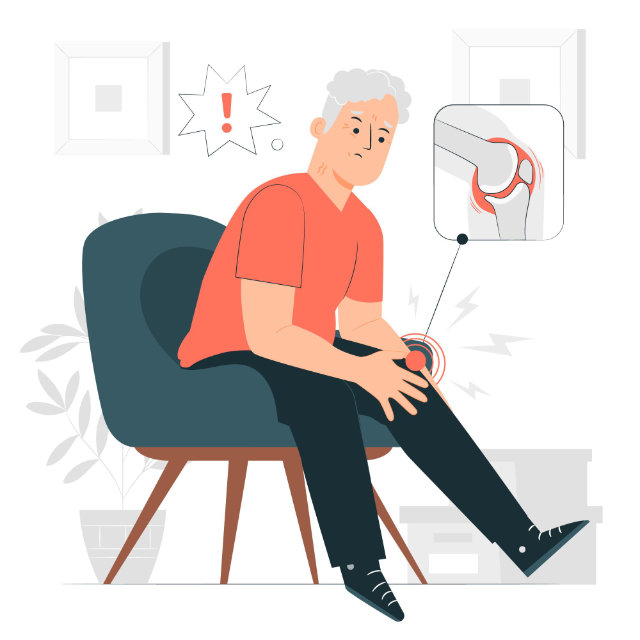
Have you ever felt aches and pains in your joints before, during, or after a storm and wondered if the weather could be to blame? Florida weather pain is a common complaint with the elderly. It can affect those who have arthritis and related conditions, like ankylosing spondylitis, fibromyalgia, and juvenile arthritis. Even some who have had an injury such as a broken bone say they have pain during storms.
Weather does play a role in joint pain due to changes in atmospheric pressure, humidity, and wind according to three more recent, independent studies. Expert opinions vary on the relationship between joint and weather pain. Some doctors are skeptical and scientists aren’t sure how this is possible.
We probably all know somebody who experiences weather pain. Maybe a grandparent, or an elderly neighbor, or someone who has had a joint or bone injury at some point in their life—perhaps, you experience the phenomenon yourself.
Barometric pressure, humidity, and temperature have had fingers pointing at them for as far back as Roman times as the reasons behind these complaints of weather pain and aches in our bones, joints, and muscles. The British Medical Journal concluded that there was no connection to back and joint pain and rainy days. Another study from Tufts University noticed that arthritis pain increased when barometric pressure, temperature, and precipitation drops. They found that these can increase joint swelling and pain.
Meteoropathy is when a person feels pain from weather conditions due to arthritis or a previous bone injury. People with meteosensitvity can be bothered by Central Florida’s high humidity and rain during its rainy season.
What everyone could be feeling is the effects of a drop or rise in air pressure. We’ll be discussing exactly what barometric pressure does to the joints of people with weather pain and how to get relief.
While rain might not be to blame for your troubles, barometric pressure and temperature could be. This could explain why approaching hurricanes with low barometric pressure can cause joint aches and pains for some.
Barometric Pressure and Pain

Barometric pressure can cause pain on hand and finger joints
Pain and barometric pressure—is there any connection? We have sensory nerves called baroreceptors in our joints. Baroreceptors receive pressure signals from the atmosphere. When the weather changes, like changes in air pressure, those who are weather-sensitive and suffer from chronic pain seem to be acutely aware of increased weather pain.
Barometric pressure, also called atmospheric pressure, refers to the pressure exerted by air molecules against the surface of the earth. It’s measured with an instrument called a barometer that detects pressure changes in air masses. Atmospheric pressure is constantly fluctuating and different parts of the planet have different pressure readings in general.
As a rule, if you own a barometer or know the pressure in your area and you pay attention to it increasing or decreasing over a period of time, you can start to recognize if your upcoming weather will be dry or wet. If you live in Central Florida and the pressure remains steady or is rising, it commonly means you will see improving and stable weather. This typically presents itself as fair days that are dryer and cooler with lower humidity.
If pressure starts to fall that would be an indication that a storm or low-pressure system is moving into the area, which usually means unstable weather. Typically, this deteriorating weather shows up in the form of storms, fronts, hurricanes, tornados, cloudy weather, high winds, or precipitation. When the pressure drops, it causes some weather-sensitive people’s joints and tissue to swell, which causes joint fluids to expand.
They experience this expanding and contracting in muscles, tendons, and even scar tissue. It’s also not uncommon to feel headaches, neck stiffness, facial pain, or numbness. Usually, this resolves after the pressure starts to rise again. However, that’s not always the case as there are some that experience weather pain just after a storm when the pressure starts to rise.
Rain and Body Aches
People blame rainy weather for body aches
From the end of May through the middle of October, Florida has four-plus months of rain and high humidity. For many of us, that spells pain.
Although there have been extensive studies to see if there’s a connection between joint and weather pain, many have been inconclusive. The British Medical Journal conducted a study in 2017 on outpatient visits of more than 1.5 million Americans that were 65 and older.
The study included visits to the primary care office for aches and pains related to the back, joints, or both. The visits were paired with thorough details on daily rainfall levels by areas in which they lived.
The study concluded that no correlation existed between rainfall and back and joint-related outpatient appointments. Although, they state that based on the limitations of their study, an association might still exist.
However, the study lacked certain data. The assumption that someone would schedule an appointment to see a doctor for pain relief because of weather changes rather than take an over-the-counter medication was also questioned. There was no mention of current medications or pain relief that patients might have been taking at the time of the doctor’s appointment.
The study also excluded the severity of pain on the day of the outpatient visit as well as on the days prior when atmospheric pressure would have been dropping. This also could have influenced the data collected.
Perhaps a more useful study might have looked to see if there was a connection between weather changes and bone, joint, and muscle pain. Changes in barometric pressure, humidity, and temperature were not studied.
While there isn’t a clear connection between rain and body aches, anecdotal evidence from people reporting joint pain due to changes in the weather has been around for many years. There are many experts who support a link between them.
Cold Weather Joint Pain

In weather-sensitive people, cold, damp days can make weather pain feel worse
In 2016, Manchester University in the United Kingdom ran a study, finding a correlation between rain and weather pain. For the subjects of this study, cold damp days made chronic pain worse. It isn’t uncommon for there to be rainy, cold days in Central Florida during the dry season. Sometimes cold, damp days occur several days in a row.
During December, January, February, and, sometimes, early March, it’s not also not uncommon to wake up to a frosty morning or two. Despite lasting briefly, these cold mornings and nights can cause misery to weather-sensitive people.
To cope with the weather pain before the temperature warms back up, you can try:
- Snuggling under a heated blanket or layers of blankets
- Take a warm bath or shower
- Staying warm with a space heater or radiator (Never use a kerosene heater in your house, as it’s been frequently suspected to cause carbon monoxide poisoning deaths)
- Don a pair of gloves, socks, and even a hat to contain body heat
- Wearing layers of clothing
Arthritis Pain and Humidity
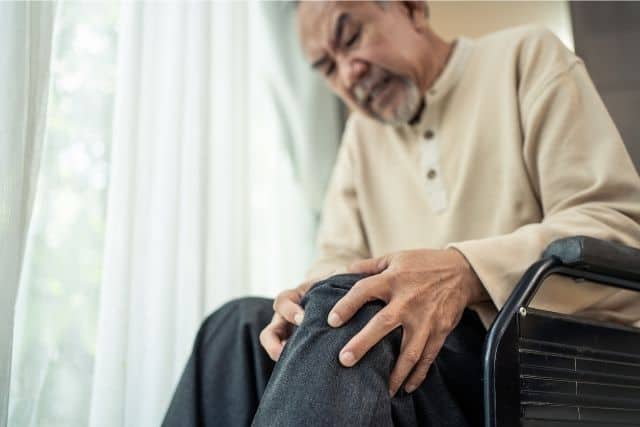
Humid weather adversely affects many people who have severe joint pain
Over 100 types of arthritis exist, as well as conditions linked to arthritis, according to the Arthritis Foundation. With over 53 million adults and 300,000 children in the United States who have some form of arthritis, it’s no surprise that it’s a leading cause of disability in America. About 75% of people living with arthritis pain believe that it can be affected by the weather.
States like Florida have hot, humid summers and are often cited as being responsible for people’s joint, bone, and muscle pain. Based on CDC findings, up to 40% of those with adult arthritis living in Florida have severe joint pain. Nearly a third of those adult Floridians live in Central Florida.
Most of the United States is split into spring, summer, fall, and winter. Typically, Central Florida residents recognize only two seasons—wet and dry. Around the end of May, Florida becomes hot and humid, remaining that way until mid-October.
When heat and humidity are constant and the east and west coast sea breezes begin to roll inland, it causes slight dips in atmospheric pressure. This starts the wet season, with rain and storms happening more frequently. Those with arthritis typically experience discomfort around this season.
There is also Central Florida’s hurricane season, running June 1st—November 30th. Atlantic hurricanes can create big pressure drops, which causes the baroreceptors to react and fire off. For many in Florida, this alone creates atmospheric-related weather pain in the form of joint, bone, and muscle pain.
For some who suffer from arthritis, Central Florida’s hot, muggy weather is unbearable. During the uncomfortable wet season, arthritis sufferers feel that the associated weather pain affects their quality of life. This is why many snowbirds come to Florida between October through March, avoiding the wet season as much as possible.
Contrast Therapy for Weather Pain

Cold soaks can reduce inflammation caused by weather
Those who live in Florida sometimes find relief from weather pain by using a combination of both heat and cold therapies. This method is called contrast therapy, which is the use of heat, directly followed by the use of cold.
Heat therapy reduces stiffness, relaxes the muscles, and increases the range of movement. In turn, circulation and blood flow are increased by expanding the blood vessels. Increased blood flow helps the body get rid of built-up waste called lactic acid, which contributes to unwanted pain and aching muscles. The removal of lactic acid decreases the pain. As heat penetrates the area, there is also a therapeutic effect that promotes tissue healing.
Cold therapy is the therapeutic use of ice or very cold temperatures, which decreases pain, swelling, and inflammation. It’s effective pain management for joint and muscle inflammation. It numbs the area, which reduces pain and helps control swelling. When exposed to cold, muscles contract and blood flow is reduced. Blood vessels also narrow, which blocks the release of histamine. As a result, it reduces the transmission of pain signals to the brain and allows for greater ease of motion.
Using just one of the two therapy methods may not provide adequate relief for weather pain. This is where contrast therapy can help. Heat dilates the blood vessels, and then cold is used to constrict the blood vessels and reduce fluid build-up. This process reduces histamines and promotes blood flow.
Starting with heat first and ending with cold may help reduce swelling and inflammation in a given area. Always apply heat first and cold last to avoid worsening swelling and inflammation.
Contrast therapy isn’t advised for those who have high blood pressure, certain heart conditions, or kidney problems. Make sure contrast therapy is right for you by consulting your doctor first.
Barometric Pain Relief

Stretches like yoga can help relieve barometric pressure headaches
Over-the-counter (OTC) medication and prescription medicines are still the gold standard treatment for easing barometric weather pain. Even so, there are many who wish to complement or avoid them altogether. They choose natural holistic approaches. Always consult your physician when choosing a pain relief regimen. With your physician’s approval, there are several things you could try.
Supplements like fat-soluble vitamins, including A, D, K, as well as omega-3 fatty acids, calcium, and vitamin C have been shown to improve some pain and discomfort. Eating an anti-inflammatory diet or a balanced diet such as a Mediterranean-style diet to get to a healthy weight helps relieve added stress on joints.
Practice healthy habits, like staying active and hydrated. Get adequate sleep. Don’t skip meals. Don’t self-medicate with alcohol. If you’re a smoker, stop.
Cycling, walking, swimming, and gardening, or low-impact exercises on equipment like a treadmill, elliptical trainer, or exercise bike helps keep you limber. Walking in the mall when it’s cold outside can increase strength and flexibility. Yoga, pilates, tai chi, and mindful meditation exercises have been said to reduce pain by as much as 90%.
Using heat and cold therapy like heated paraffin soak for your hands to stimulate blood flow to stiff muscles, or an old sock filled with rice, tied off. Heat it in the microwave for 60 seconds to help relieve stiffness in joints and muscles.
A heating pad, hot water bottle, or heated massage stones can reduce tension and pain and increase circulation. Cold packs or a simple bag of frozen peas placed on a swollen joint can reduce inflammation. Ice massages and ice baths can help relieve swelling from weather pain.
You can try alternative holistic treatments, like lotions, creams, heat gels, natural pain relievers, rubs containing capsicum, CBD oil, medical marijuana, and massages. You can even use bee venom therapy or Chinese acupuncture.
You can also employ assistive devices, like supportive shoes with easy-adjust elastic laces, velcro, or zipper closings. This helps keep you independently active. The use of walking canes, walking sticks, knee brace, wrist brace, or shoulder brace can provide comfort and assistance in helping you stay active.
A simple nutritional approach includes consuming apple cider vinegar. This helps dissolve and remove acid crystals from the body, which can cause stiffness in the joints. Tumeric, which has curcumin, is another option. This has anti-inflammatory properties and has had some good anecdotal reports.
Best Weather for Arthritis

November, March, April, and May offer the best weather for joint pain in Central Florida
While newer studies may conclude that cold, wet weather promotes worse arthritis pain, other studies were inconclusive. A 2015 study published by the Journal of Rheumatology found a significant relationship between humidity and weather pain. Many of the 810 test subjects had osteoarthritis and felt worse weather pain when it was humid and colder.
As well, the study found that wet, winter days were equally uncomfortable. Rheumatology International published a second study in 2015 which used 133 subjects with rheumatoid arthritis, finding that their disease activity (swollen joints and pain) was lower when it was sunny and dry.
Inversely, other studies have shown no causation between weather pain and weather conditions. One such study was done between June 1998–January 2001. The study looked at 154 Floridians who had osteoarthritis that affected various parts of the body. By the end of the study, no strong or significant association was made between weather pain and any of the affected joints, with the exception of increased hand pain in women due to the increase of barometric pressure.
Central Florida winters offer comfortable weather and dryer, less humid days. As a result, it is easier to be active and more comfortable outdoors throughout the winter months.
Most days are perfect for getting outside and getting a boost of vitamin D. Getting more exercise and more physical activity means more blood flowing and lubricates your joints. Warm weather has a positive impact on the body and helps to reduce weather pain like arthritis.
Final Thoughts

Don’t let Florida weather pain keep you from enjoying life
Whether science agrees or disagrees, weather pain is still pain and people with meteoropathy still experience it. We hope you’ve gained some insight as to how the weather might play a big part in your joint and muscle aches. While you can’t control the weather, you can mitigate the discomfort from Florida weather pain. We’ve discussed what happens to your joints when the pressure drops, how to get relief from the pain, and the best weather for arthritis. Can you feel when a storm is coming? Tell us.