
Hurricane Information
Hurricane Info: News, Glossary, Preparedness Guide, and Evacuation Planning
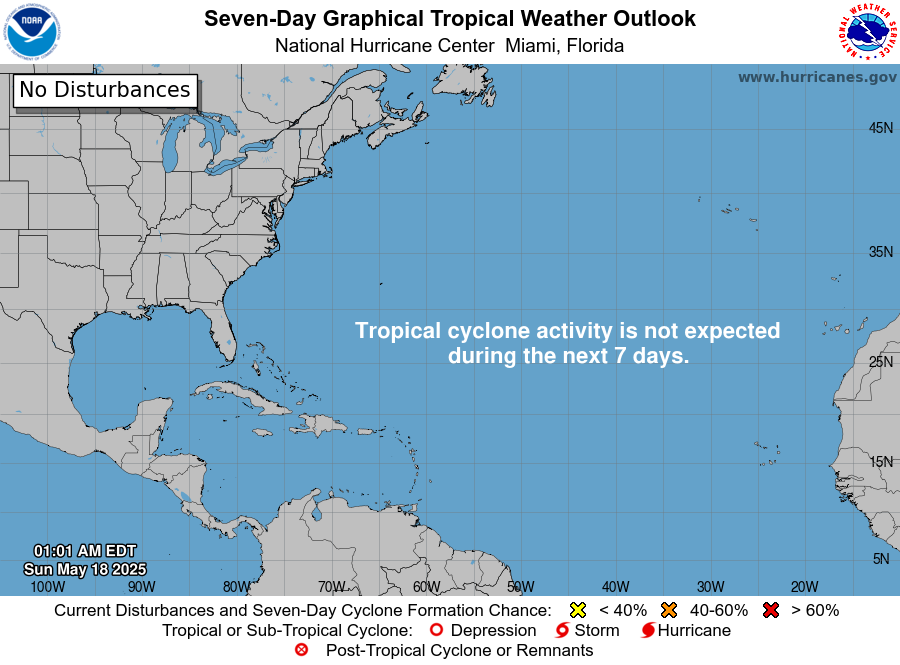
The Atlantic Basin Hurricane Season spans June 1st to November 30th and impacts Central Florida. We offer resources and updates to help locals prepare and stay informed.
Hurricane Preparation Guide
Download our FREE hurricane preparation guide to help you get ready for the storm, weather it and recover from it. Packed with tips and techniques to help you prepare like a seasoned Floridian.
Hurricane Info and Facts
Central Florida, with its tropical and subtropical climate, experiences a diverse range of weather patterns, with hurricanes being among the most impactful. The confluence of warm waters from the Gulf of Mexico and the Atlantic Ocean, coupled with the state’s peninsular shape, often places Central Florida right in the path of these powerful storms. Through the years, hurricanes have played a significant role in shaping the region’s landscape and history.
Hurricane Facts | |
Definition | A hurricane is a tropical cyclone with sustained winds of 74 miles per hour (119 kilometers per hour) or higher, usually accompanied by rain, thunder, and lightning. |
Naming Conventions | Hurricanes are named alphabetically from a set list each year, with male and female names alternating. Names of particularly devastating hurricanes are retired. |
Saffir-Simpson Scale | Hurricanes are classified into five categories based on their wind speed. Category 1 is the least damaging, while Category 5 is the most destructive. |
Hurricane Season | In the Atlantic basin, which includes Central Florida, the hurricane season runs from June 1 to November 30. |
Storm Surge | This is often the most deadly aspect of a hurricane. It's a rise in sea level that results from the winds of a hurricane pushing water toward the shoreline. |
Eye of the Hurricane | The center of the storm is eerily calm and can have clear skies. Surrounding the eye is the eye wall, where the storm's most violent conditions occur. |
Historical Timeline of Notable Hurricanes in Central Florida | ||
Year | Storm | Fact |
1928 | Okeechobee Hurricane | One of the deadliest hurricanes in U.S. history, it caused significant flooding around Lake Okeechobee, leading to the loss of over 2,500 lives. |
1960 | Hurricane Donna | Traversed the entirety of Florida, affecting almost every part of the state. It remains one of the most widespread hurricanes to hit Central Florida. |
1992 | Hurricane Andrew | While primarily impacting South Florida, Andrew's remnants brought heavy rains and winds to Central Florida. It remains one of the most costly hurricanes in U.S. history. |
2004 | Hurricanes Charley, Frances, and Jeanne | In a span of just six weeks, Central Florida was struck by three powerful hurricanes, causing extensive damage and reshaping the region's approach to hurricane preparedness. |
2017 | Hurricane Irma | Made landfall in the Florida Keys as a Category 4 storm and then moved northward through the state, affecting Central Florida with strong winds, heavy rain, and widespread power outages. |
2022 | Hurricane Ian | Devastated Southwest Florida's barrier islands, leading to a massive joint Civilian-Military Air Operation to restore access and deliver aid. Physicians provided direct medical care on isolated barrier islands. |
Hurricane Evacuation Planning
Before, during, and after a tropical storm you need answers. We have found some tools to help you get updates and plan your strategy. FLDOT (Florida Department of Transportation) encourages the use of real-time apps for hurricane evacuation and return planning.

Traffic
Monitor traffic on routes for leaving and entering Florida for evacuation or return, or road closures due.



Power Outages
As a storm approaches most utilities will shut off customer power until it passes and damage can be assessed. Track outages, here.
Gas Updates
Finding gas stations with available fuel is difficult when exiting or returning to the state before or after a storm. This app will help you on your route.